
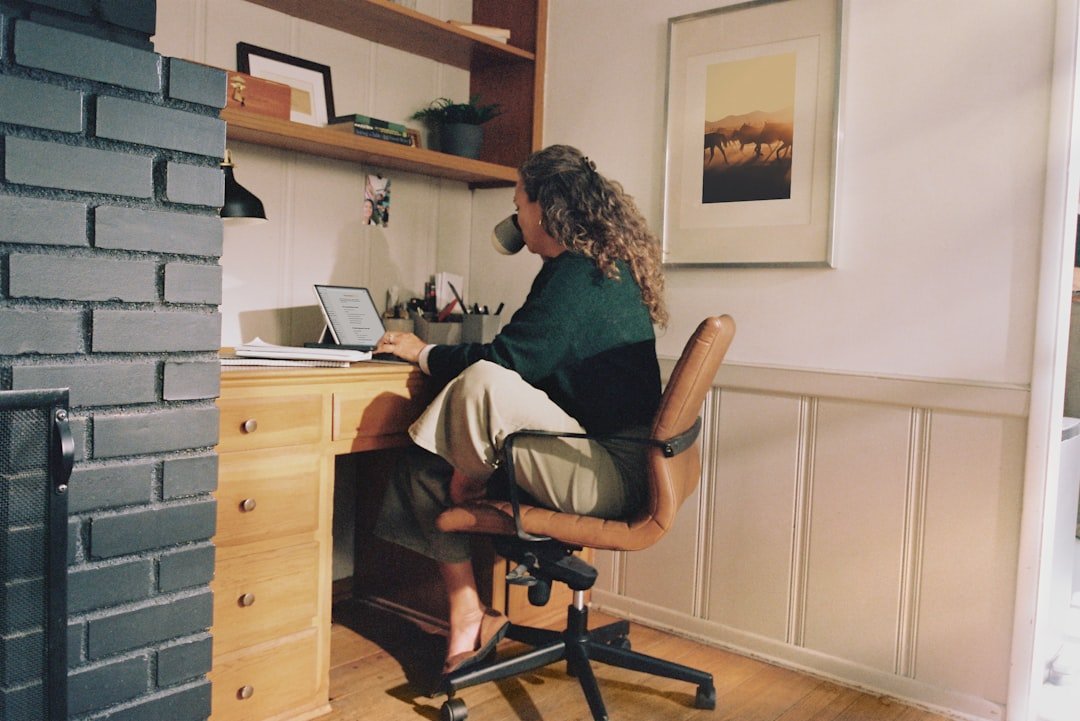
Home Office Vastu: Setting Up a Desk That Actually Supports Focus
By Rajat — Vedic Astrologer & Vastu Consultant, Astro Research, Sydney
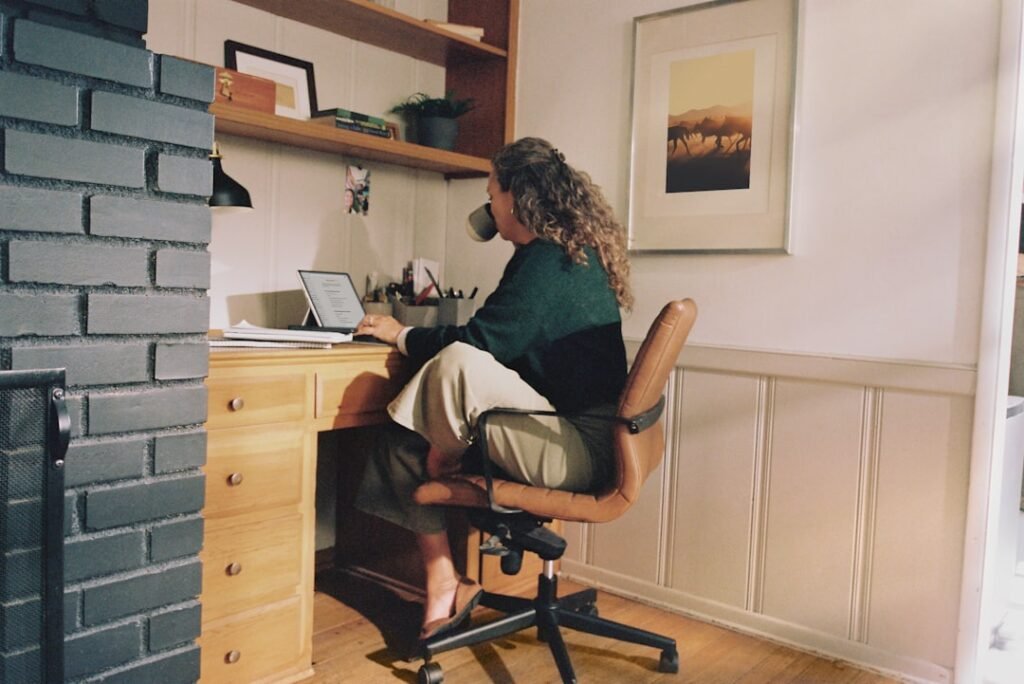
Since hybrid and remote work became a permanent fixture for so many Sydney households, home office Vastu has become one of my most requested consultations — and the single biggest factor I assess is desk direction and placement within the room, which affects concentration, decision-making and career momentum far more than the desk’s brand or the chair’s ergonomics.
Where the Home Office Itself Should Sit
The North-West or West of the home are generally considered the best locations for a dedicated home office, supporting focus and steady progress on tasks without the intensity of more energetically active corners.
The South-East, ruled by fire, can also work well for high-energy, deadline-driven work, though it suits people who thrive under pressure better than those who need calm to concentrate. I generally advise against placing a home office in the North-East, since its meditative, reflective energy works against the focused output most work requires — that corner is better reserved for the pooja or meditation space discussed in Vastu’s wealth corner guidance.
Desk Direction and the “Commanding Position”
Beyond which room the office sits in, the direction you face while working and where your desk sits relative to the door are two of the most consistently impactful details.
Face East or North While Working for Best Results
Facing East while working is associated with clarity and fresh energy, drawing on the same morning-light principle used throughout Vastu. Facing North is considered supportive of wealth and career growth specifically, making it a strong choice for anyone in sales, business development or finance-related roles. Facing South or West while working is generally considered less supportive of sustained focus, though not harmful — if it’s your only option, I usually recommend compensating with strong desk lighting and a clean, uncluttered work surface.
Sit in the “Commanding Position” — Facing the Door, Not Your Back to It
Wherever possible, position your desk so you can see the door from your seated position without being directly in line with it — sitting with your back to the door, or directly facing it in a straight line, is considered to create subtle unease that undermines focus over time, a principle shared with several other spatial design traditions. A solid wall behind your chair, rather than a window, is also preferred, offering a sense of support and stability while you work.
Working From a Bedroom or Shared Space? Here’s What Still Applies
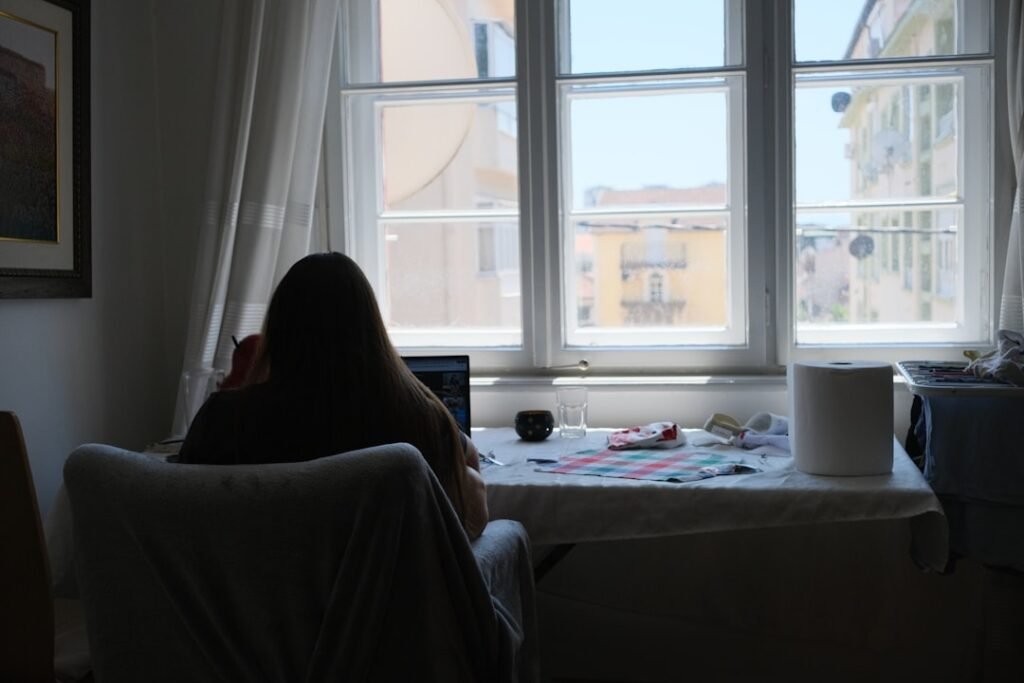
Most of the home offices I assess in Sydney apartments aren’t dedicated rooms at all — they’re a desk in the corner of a bedroom, living room or even a converted wardrobe nook. The good news is that desk direction and the commanding position principle still apply at this smaller scale, and they’re usually the easiest elements to correct regardless of the room’s overall Vastu.
One detail worth flagging specifically for bedroom-based offices: try to keep the desk visually and physically distinct from the sleeping area, even with something as simple as a room divider or a change in flooring, since Vastu considers mixing “active” work energy directly into a “restful” sleep zone counterproductive to both.
Astrologer’s Insight: When a client working from a bedroom desk describes feeling constantly ‘switched on’ even after logging off, I usually find the desk has no visual separation from the bed — a simple divider often resolves this faster than any productivity app. It’s the same principle I cover in more depth when looking at bedroom placement generally.
Desk-Facing Direction at a Glance
How each facing direction while working tends to support (or challenge) different kinds of tasks.
| Facing Direction | Best Suited For |
|---|---|
| East | Clarity, fresh starts, creative work |
| North | Sales, business growth, finance roles |
| South-East | High-pressure, deadline-driven work |
| South / West | Workable, needs extra lighting support |

Featured Case Study
The Freelancer Whose Back-to-the-Door Desk Was Quietly Costing Her Clients
A freelance consultant working from a spare room came to me struggling to retain clients past an initial project, despite strong feedback on her actual work. Her desk sat with her back directly to the door — a position she’d chosen simply because it faced the room’s best window.
We repositioned the desk diagonally across the room, placing her in the commanding position facing the door with a solid wall behind her, and reoriented her facing direction toward North to support the business-development side of her work.
Within the following quarter, she secured two repeat contracts and reported feeling noticeably calmer and more confident during client calls from the new setup. She still credits her work quality for the wins — but she’s convinced the desk change is what let that quality actually land.
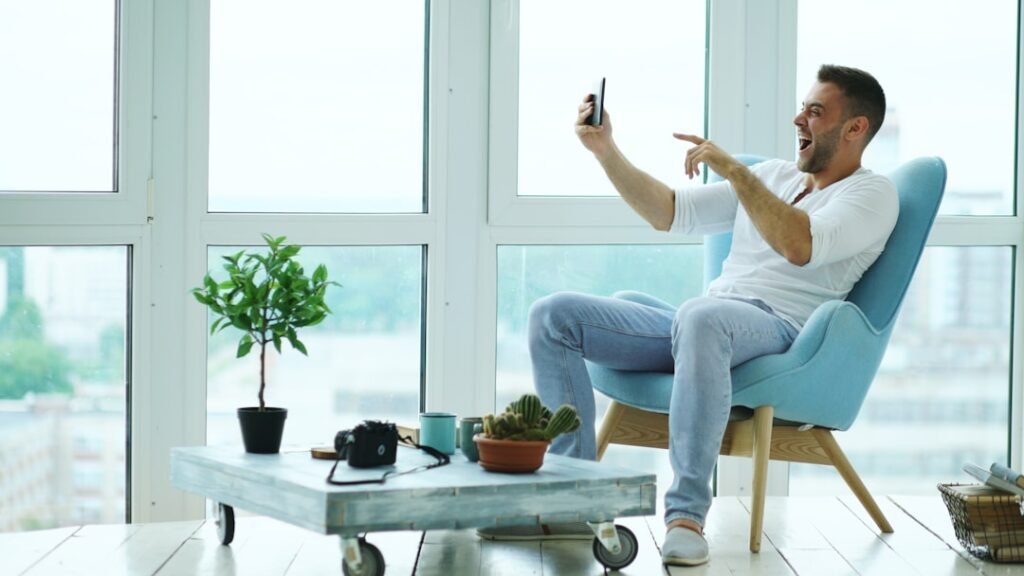
A desk’s position within a room can shape confidence and outcomes in ways that go well beyond the view out the window.
Read More Client Success Stories
Frequently Asked Questions About Home Office Vastu
➕ What if my room layout doesn’t allow the commanding position?
A small mirror positioned so you can see the door’s reflection while seated is a commonly used workaround when repositioning the desk itself isn’t possible. It’s not quite as strong as the direct commanding position, but it meaningfully reduces the unease of having your back fully to the entrance.
➕ Does facing direction matter more than desk placement in the room?
They work together rather than competing — the commanding position (seeing the door, solid wall behind you) is the priority, and facing direction is the refinement within that. If you can only achieve one, I’d prioritise the commanding position first.
➕ Is it bad Vastu to work from the same desk as a partner or housemate?
Sharing a workspace isn’t inherently problematic, but I recommend each person maintain their own clearly defined zone within it, ideally each in their own supportive facing direction, rather than sharing a single desk orientation that may only suit one person’s work style.
➕ Can I combine home office Vastu with career timing from my birth chart?
Absolutely — I regularly pair a home office assessment with a 10th House and career-timing reading, since the spatial correction supports the momentum your chart’s own timing is already pointing toward. Clients often find this combination gives the clearest, most actionable picture.
About the Author
Rajat is a Vedic Astrologer and Vastu Consultant at Astro Research, based in Sydney, where he has spent over fifteen years combining classical Jyotish training with practical, modern consultations for clients across Australia. He specialises in career timing, relationship compatibility and Vastu corrections for the home and workplace.
Related Reading
- Bedroom Vastu: Where You Sleep Shapes How You Rest
- The Wealth Corner: Activating the North-East Without Overdoing It
- Why Your Kitchen Direction Matters More Than Its Colour Scheme
Recommended Remedies
If career momentum or business growth is the underlying concern behind your workspace, these are the remedies I most often recommend alongside a full consultation:
Set Up a Workspace That Actually Supports You
Book a full Vastu consultation and get a precise home office correction plan.