
Vastu Plants for Your Home: Which Plants to Place Where
You have just brought home a money plant and a tulsi, and now you are standing in the lounge wondering where they should go. In Vastu, the answer matters more than most people think.
In Vastu, small, soft-leaved plants belong in the North, North-East and East, where the home should stay light and open. Taller, heavier plants and trees suit the South, West and South-West. Keep thorny plants, plants with milky sap, and anything dried or dying out of your main living areas.
Below I cover why plants matter in Vastu, where each popular plant belongs, what to avoid, which choices suit Australian gardens and apartments, and how far plants can go in correcting a Vastu problem.
Why do plants matter in Vastu?
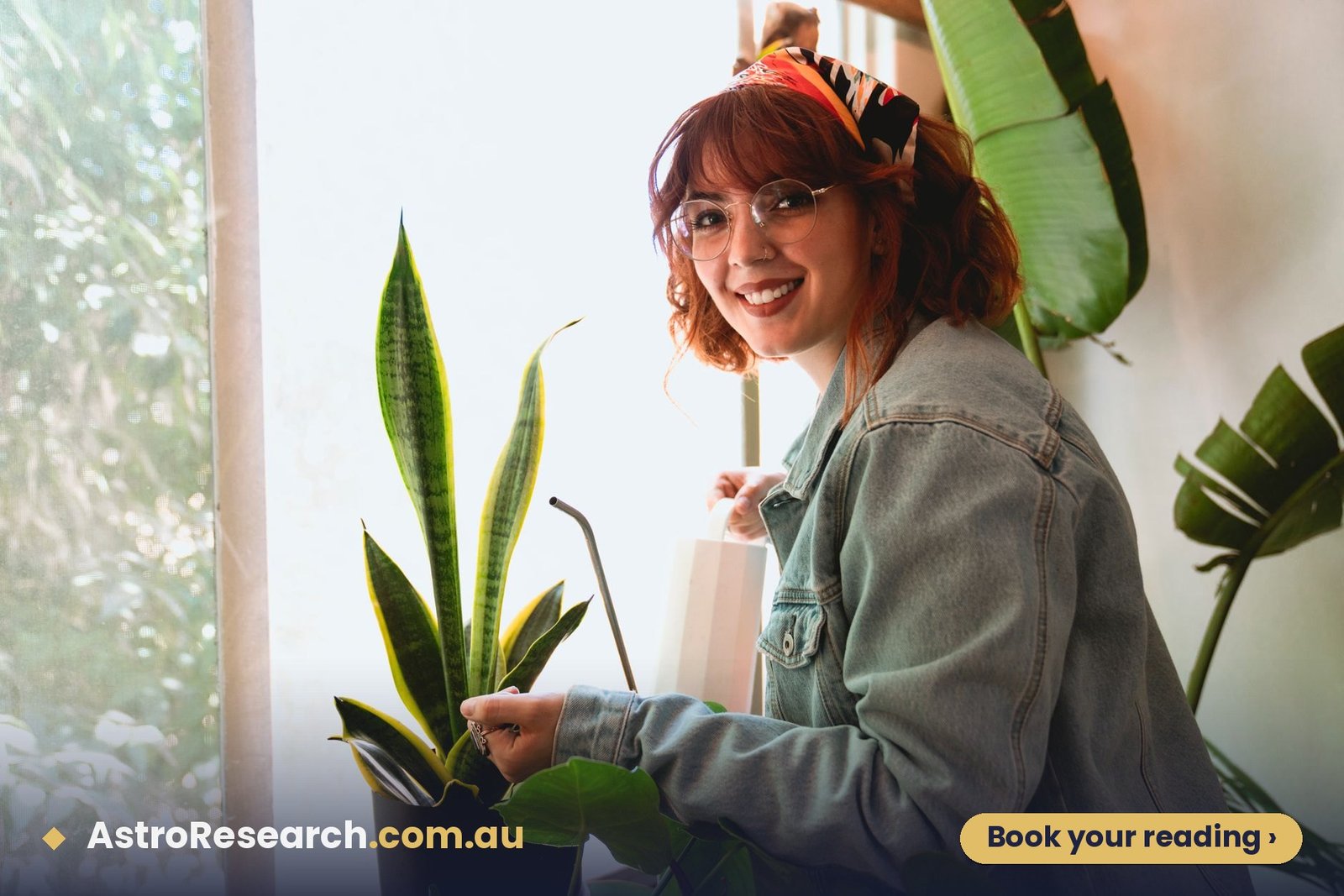
Plants are living energy, so Vastu treats them as active elements of the home rather than decoration. Where you place them either supports or crowds the qualities of each direction.
The North-East (Ishan) is the zone of water and clarity, so it should feel light, open and clean. The South-West is the zone of stability and should feel heavy and grounded. Plants follow the same logic: light and delicate where the home should breathe, larger and heavier where it should anchor. You can find each zone in your own floor plan with my Vastu compass.
Which direction suits each plant?
Most popular Vastu plants have a preferred zone. Use the table as a starting point, then adjust for light, because a plant that is struggling does more harm than good.
| Plant | Best direction | Notes |
|---|---|---|
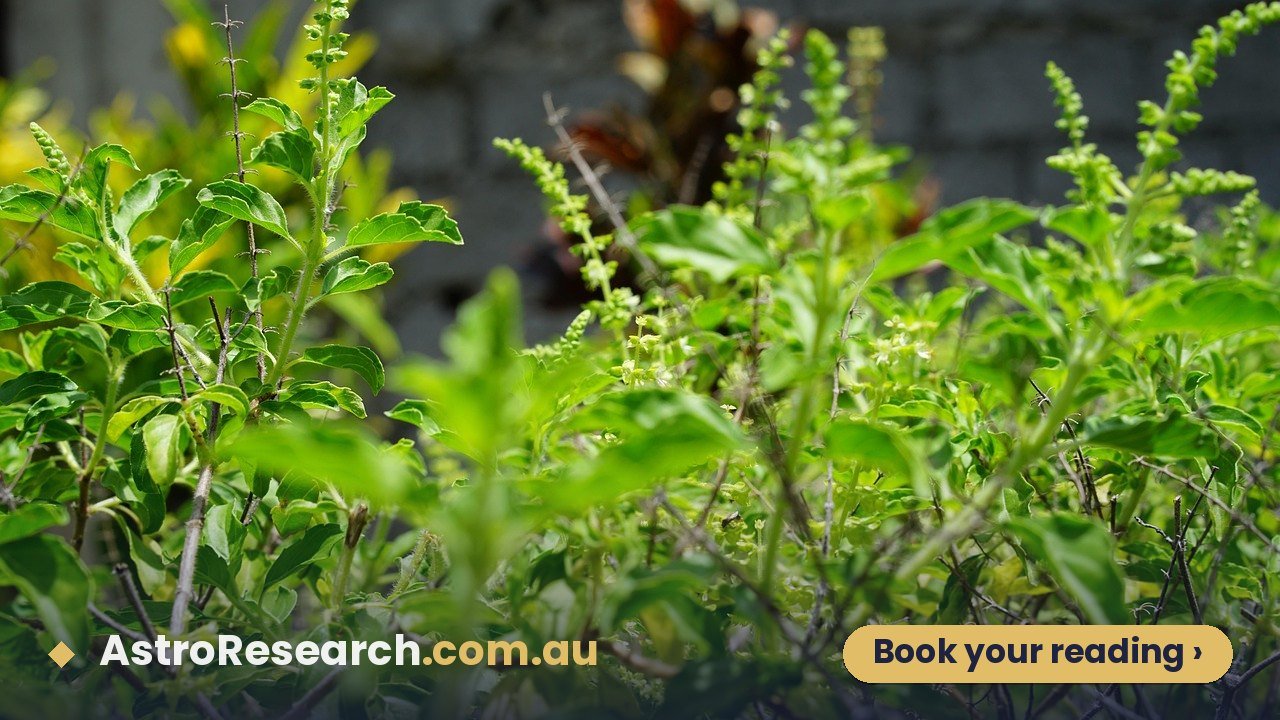
| Tulsi (holy basil) | North-East, North or East | Give it bright sun and keep it raised off the ground. It is frost-tender, so bring it inside in a cold winter. |
| Money plant (pothos) | South-East, or North | Keep it healthy and trimmed. Do not let it trail across the floor. |
| Lucky bamboo | East or North-East | Avoid the South and South-West. |
| Snake plant | South-East | Hardy and happy in lower light, so it suits apartments. |
| Flowering plants | North and East gardens | Roses are the traditional exception to the no-thorns rule, best grown outdoors. |
| Large shrubs and trees | South, West or South-West | Plant well away from the house so roots and branches do not cause problems. |
Not sure which zone is which in your home? In a Vastu consultation I mark every zone on your floor plan and suggest plants that suit each one.
Which plants should you avoid indoors?
Vastu traditionally keeps cactus and other thorny plants, plants with milky sap, and dried or dead plants out of the living areas. Many practitioners also avoid bonsai indoors, because a deliberately restricted plant is seen as a symbol of restricted growth.
- Move cactus and spiky succulents outdoors, ideally to the South or West boundary.
- Replace dried flower arrangements with fresh flowers or healthy plants.
- Remove any plant that is dying, rather than leaving it in a corner.
- Check pet safety: several common indoor plants, including pothos (money plant) and lilies, are toxic to cats and dogs.
Which Vastu plants suit Australian homes and gardens?
In Australia the sun sits in the northern sky, so keeping the North and North-East open with low plants also lets winter sun into your living areas. Taller trees on the South and West sides give shade without blocking that light.
Choose soft-leaved, low natives for north and east garden beds, such as kangaroo paw or native violet. Keep spiky species, including some hakeas and grevilleas, to the south or west boundary. Large trees such as eucalypts belong well away from the house, and it is worth checking your council’s rules before planting or removing a significant tree.
How do I use Vastu plants in an apartment?
In an apartment, work with what you control: a few healthy plants on a north or east facing sill or balcony, nothing heavy in the North-East corner, and an uncluttered centre.
Keep the middle of the home (the Brahmasthan) free of large pots. If your balcony faces south or west, it is a good spot for bigger planters. My apartment Vastu guide covers the rest of what you can change in a unit.
Can plants fix a Vastu problem?
Plants support a home; they do not cure a structural Vastu problem on their own. Used well, they bring life and balance to a zone that feels flat or neglected.
For a cut or blocked corner, combine plants with other simple changes from my guide to zero-cost Vastu corrections. If the North-East is your concern, read my guide to the North-East wealth corner.
Questions people ask about Vastu plants
Where should I put a tulsi plant in an Australian home?
In the North-East, North or East, in the brightest spot you have. Many people grow tulsi outdoors in a pot and bring it inside or under cover during frosty weather.
Can I keep a money plant in the bedroom?
A small, healthy plant is fine, but I keep bedrooms light on plants and avoid placing them behind the bed head. The South-East of the living room is a better home for a money plant.
Is a cactus bad Vastu?
Indoors, Vastu traditionally avoids thorny plants because they are associated with friction. Outdoors along the South or West boundary, a cactus garden is acceptable.
Are artificial plants okay in Vastu?
Live plants are always preferred, because the point is living energy. A clean, good-quality artificial plant is better than a dying real one, but avoid dried flowers.
Which plants are best for the North-East?
Tulsi, small soft-leaved plants and a little greenery near natural light. Keep pots light and the corner uncluttered, because the North-East should stay open.
Should a tree stand in front of the main door?
Vastu advises against a large tree directly blocking the main entrance, known as Dwar Vedha. Keep the path to your front door clear and place larger trees to one side.
Get your home’s plants and zones checked
If you want to know exactly where your plants will do the most good, send me your floor plan. As Australia’s best Vedic astrologer and Vastu consultant, I check each zone of your home and give you practical, renovation-free suggestions. Book a Vastu consultation online from anywhere in Australia, or start with the Vastu compass.